
Bin Store Newnan, GA by The Bin Store
April 19, 2025
Bin Store Cartersville, GA by The Bin Store
April 19, 2025If you want to profit from pallet buying, start by knowing where to source them. Research reliable suppliers who offer fair pricing and good reputations. Next, take a hard look at market trends and what consumers are craving right now. Don't skip on inspecting the pallets' conditions either; a worn-out pallet can lead to losses. Ready to sharpen your pallet selection skills? There's more to explore that could boost your success.
Key Takeaways
- Research supplier reputation through online reviews and local recommendations to ensure quality products.
- Monitor market trends and consumer demand to align pallet selections with popular items.
- Inspect pallets thoroughly for condition, focusing on stability and absence of damage.
- Analyze potential resale value of items included in pallets to maximize profit opportunities.
- Engage with community networks for insights and collaboration on successful pallet strategies.
Research Reliable Suppliers
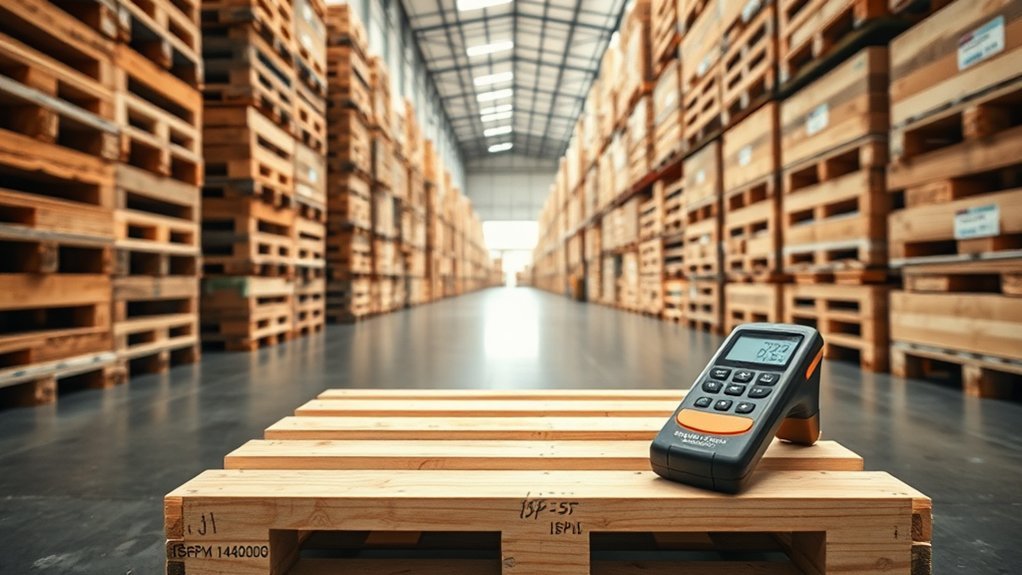
When you're looking to buy pallets, researching reliable suppliers is crucial. Start by checking online reviews and customer testimonials. This will give you insight into their reputation and quality. Don't hesitate to reach out to local businesses or industry contacts for recommendations. Compare prices and examine the specific types of pallets each supplier offers. Make sure they provide detailed descriptions and images so you can make informed decisions. Verify their shipping policies and delivery timelines, as these can impact your investment. Finally, always ask about return policies. A trustworthy supplier will prioritize customer satisfaction and be willing to accommodate your needs. By doing your homework, you'll empower yourself to find the best pallets without falling into common traps.
Analyze Market Trends
To identify profitable pallets, you need to analyze current market trends and consumer demand. Start by tracking what's popular and what people are looking for. Here's a quick reference table to help you visualize trends:
| Trend Category | Current Trend |
|---|---|
| Eco-friendly | Sustainable products |
| Technology | Smart devices |
| Health | Organic food |
| Home decor | Minimalism |
Use tools like Google Trends or social media to stay updated. Join online groups to hear directly from consumers. Pay attention to seasonal shifts too. By understanding these trends, you'll empower yourself to pick pallets that resonate with buyers, thereby increasing your chances for profit and financial freedom. Take control of your future!
Evaluate Product Categories
Evaluating product categories is essential for identifying which pallets can yield the best profits. Start by focusing on categories that consistently attract buyers. It's important to know what sells.
Identifying profitable pallets begins with evaluating product categories that consistently attract buyers.
- Look for electronics and gadgets that are always in demand.
- Check home goods and furniture for seasonal trends.
- Explore fashion items, including shoes and accessories, which can often turn a good profit.
- Don't overlook wellness products as health trends continue to rise.
Inspect Condition of Pallets

Inspecting the condition of pallets is essential for guaranteeing you don't waste your money on damaged items. First, look for visible signs of wear and tear. Check for cracks, splinters, or any sharp edges that could lead to injury or damage. Make sure the pallets are dry and free from mold or other contaminants. If you notice any irregularities, it's best to pass on that pallet. Next, assess the overall stability. Give the pallet a slight shake to see if it wobbles or feels loose. A strong, sturdy pallet will guarantee safe transport of your products. Taking the time to inspect each pallet carefully helps you make informed decisions and leads to greater profits in the long run.
Review Price Points
How do you determine if a pallet is worth the investment? Start by reviewing the price points. You need to evaluate if the cost aligns with the potential profit. Consider these factors:
- Compare prices of similar pallets in the market.
- Analyze the types of items included and their resale value.
- Factor in your budget and how much you can afford to spend.
- Look for pallets with a good return on investment.
A smart purchase today can lead to benefits down the road. Know what you're willing to pay and stick to your budget. Remember, the right pallet can mean the difference between success and a loss. Be proactive and make informed decisions to optimize your profits.
Check Shipping and Handling Fees
While keeping an eye on price points is essential, it's equally important to check shipping and handling fees before sealing the deal on a pallet. These costs can add up quickly and impact your overall profit margins. Make sure to ask the seller about these fees upfront. Some sellers offer free shipping, while others can charge considerably for delivery. You should also consider how shipping method choices affect costs. Ground shipping might save you money but take longer, while expedited options might be pricier. Don't forget to factor in any potential customs fees if you're importing pallets. By clarifying shipping and handling fees, you can better calculate your total investment and avoid unexpected surprises in your pursuit of profitable pallets.
Consider Seasonality Factors
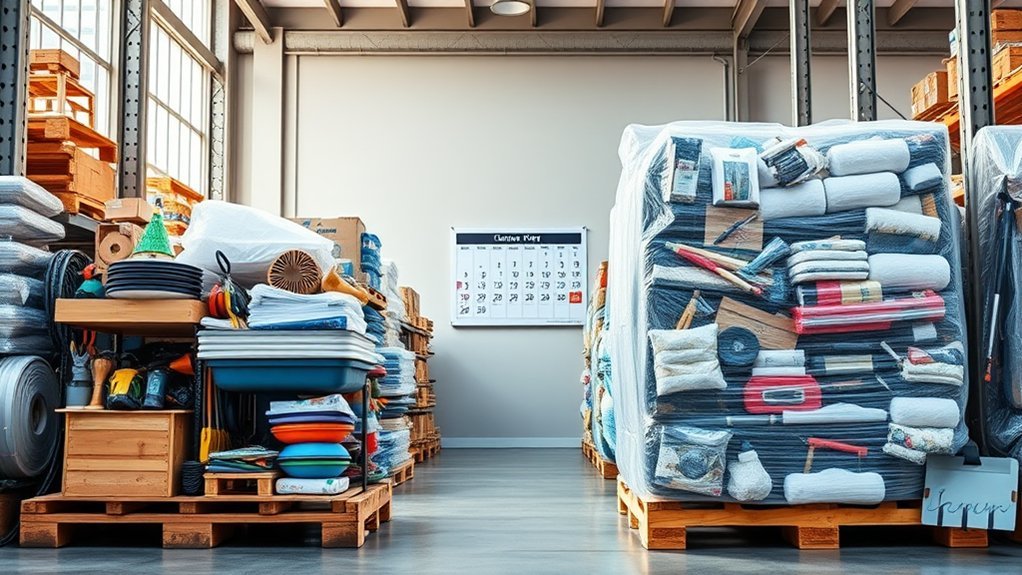
Are you aware of how seasonality can impact the profitability of the pallets you choose? Seasonal trends can shift demand, affecting prices and sales. You want to align your pallet purchases with these trends for maximum returns. Here are a few key points to reflect upon:
- Research seasonal products that sell best at certain times of the year.
- Monitor industry trends to anticipate shifting consumer behaviors.
- Plan your inventory to reflect high-demand seasons in your area.
- Avoid investing in pallets filled with off-season merchandise that won't sell.
Understand Return Policies
When you're selecting profitable pallets, understanding return policies is essential. Start by researching the company's return rules, so you know what's expected if something goes wrong. Also, make sure to inspect their return procedures and verify any time limits to avoid losing out on refunds.
Research Company Policies
How can you guarantee you're making a smart investment in pallets? Start by researching the company policies. Understanding these rules can save you time and money down the line. Knowing what's expected will help you make informed choices.
- Check the return policy for specific timeframes.
- Look for any restocking fees that might apply.
- Understand if you'll receive a full refund or just store credit.
- Know the process to follow for returns; it should be straightforward.
When you understand these policies, you empower yourself where it counts. A company with clear and fair policies often reflects their commitment to customer satisfaction. You're not just buying pallets; you're investing in your future, so do your homework.
Inspect Return Procedures
Understanding the return procedures is essential to making a smart investment in pallets. Familiarizing yourself with the return policies of your suppliers can save you hassle and money later. Ask questions about restocking fees, conditions for returns, and timelines. Here's a quick reference table to help you evaluate different policies:
| Company | Return Periods | Restocking Fees |
|---|---|---|
| Supplier A | 30 days | 15% |
| Supplier B | 14 days | 10% |
| Supplier C | 60 days | None |
| Supplier D | 30 days | 20% |
| Supplier E | 7 days | 5% |
Ensure you weigh these factors before purchasing. A fair return policy can empower your buying decisions and minimize losses.
Verify Time Limits
Along with understanding return procedures, verifying time limits on those policies is critical for a successful pallet investment. Knowing when you can return items prevents you from losing money on a bad purchase. Here are a few key points to contemplate:
- Check the return window—some sellers allow only a few days.
- Understand restocking fees—these can cut into your profits.
- Look for special conditions—certain items might have stricter return rules.
- Keep all receipts and documentation—this can save you hassle later.
Connect With Other Buyers
Connecting with other buyers can greatly enhance your pallet purchasing experience. By sharing insights and strategies, you can access valuable information that boosts your success. Here's a simple table to visualize potential buyer interactions:
| Platform | Benefits | Notes |
|---|---|---|
| Facebook Group | Community support | Engage and ask questions |
| Local Meetups | Networking | Build personal connections |
| Online Forums | Knowledge sharing | Explore diverse opinions |
Take the time to mingle with others in your niche. Learn from their experiences, trade tips, and stay updated on trends. This exchange can lead to smarter buying decisions and ultimately greater profits. Don't hesitate; connect and empower your pallet journey!
Start Small and Scale Up
Starting small can set you up for success in selecting profitable pallets. With a low initial investment, you can better assess market trends and understand what sells. Once you spot demand, you can scale up your inventory and profits.
Begin With Low Investment
You can begin your pallet business with just a modest amount of money, making it accessible for anyone who wants to enter the resale market. Starting small allows you to test the waters without diving in headfirst. Here are some practical tips to reflect upon:
- Purchase a few pallets to begin with; you don't need a large inventory.
- Sell items online or at local markets to minimize overhead costs.
- Focus on a niche that interests you; this keeps things engaging.
- Reinvest your profits into more inventory as you grow.
Focus on Market Trends
While it's important to start small, keeping an eye on market trends can help you identify what pallets will sell best. Check local businesses, online marketplaces, and social media to see what products are gaining popularity. Notice the seasons and events that can impact demand. For instance, outdoor items may sell during summer, while cozy goods may be hot in winter. Use this information to guide your initial purchases, making sure you align with current trends. Once you find success with specific products, you can scale up your investment and expand your offerings. This way, you're not only following the market but also ensuring your business grows steadily and sustainably. Stay informed, and let trends shape your profitable journey.
Frequently Asked Questions
What Is the Average Profit Margin on Sold Pallet Goods?
The average profit margin on sold pallet goods varies, but you can expect around 30% to 50%. This means if you buy a pallet for $500, you might sell the goods for $750 to $1,000. Keep in mind that factors like product type and demand can affect these margins. Always do your research and track market trends. This'll help you maximize your profits and make informed decisions in your buying process.
How Do I Determine the Best Selling Time for Specific Items?
To determine the best selling time for specific items, you need to analyze demand patterns. Start by researching trends in that market. Look at seasonal sales and note when customers usually buy those items. Check competitors' sales periods to gather insights. You can also use sales data from previous years to forecast. Finally, keep track of social media trends or influencer promotions, as they can influence buying decisions and peak selling times.
Are There Specific Brands to Focus on for Higher Profits?
When you're looking for higher profits, focus on popular brands that consistently sell well. Electronics, household goods, and clothing are good categories to explore. Brands like Apple, Nike, and Samsung often yield higher returns. Research market trends and check sales data to identify what's in demand. Evaluate customer reviews and return policies, too. By zeroing in on these brands, you increase your chances of maximizing profits and staying ahead in the market.
What Are Common Mistakes to Avoid When Buying Pallets?
When buying pallets, avoid common mistakes that can cost you. Don't just focus on price; assess the quality and condition of the items. Skip pallets with unclear descriptions or poor images, as they can lead to wasted money. It's also essential not to overlook shipping costs. Always do your research on the seller's reputation, and don't rush the decision. Taking your time can prevent headaches and guarantee better investments.
How Can I Effectively Market My Pallet Products Online?
To market your pallet products online, start by creating a professional website or using established platforms like Etsy or eBay. Use high-quality photos to showcase your items. Write clear, concise descriptions highlighting their features and benefits. Engage with customers on social media by posting consistently and responding to inquiries. Don't forget to utilize relevant keywords to improve search visibility. Consider running promotions or ads to attract more buyers effectively.
Conclusion
By following these tips, you can make informed choices when selecting pallets. Research suppliers to guarantee quality, analyze market trends to meet demand, and inspect pallets for condition. Don't forget to check price points and consider seasonal factors that affect sale potential. Connect with other buyers to share insights and learn from their experiences. Start small to gauge profitability before scaling up your inventory. This practical approach will help you maximize your profits in the pallet business.

