
Bin Store Aiken, SC by The Bin Store
April 21, 2025
Bin Store Hilton Head Island, SC by The Bin Store
April 22, 2025When you're looking to choose profitable pallets, it's essential to focus on specific factors that impact your investment. Start by examining the quality and condition of the pallets. Next, check the reputation of your supplier to guarantee reliability. Don't forget to analyze pricing for profit margins and consider shipping costs that could cut into your earnings. Each step is significant, and the details matter. So, what's the next factor you should explore?
Key Takeaways
- Research market trends by checking online marketplaces and customer reviews to identify profitable items on pallets.
- Inspect pallet condition rigorously, focusing on structural integrity and cleanliness to ensure quality products.
- Evaluate supplier reputation through online reviews and references to ensure reliability and trustworthiness in purchases.
- Calculate potential profit margins by comparing the buying price, overhead costs, and selling prices of the items on pallets.
- Understand return policies and guarantees to safeguard investments and avoid unexpected costs associated with unsold items.
Researching Market Demand for Products
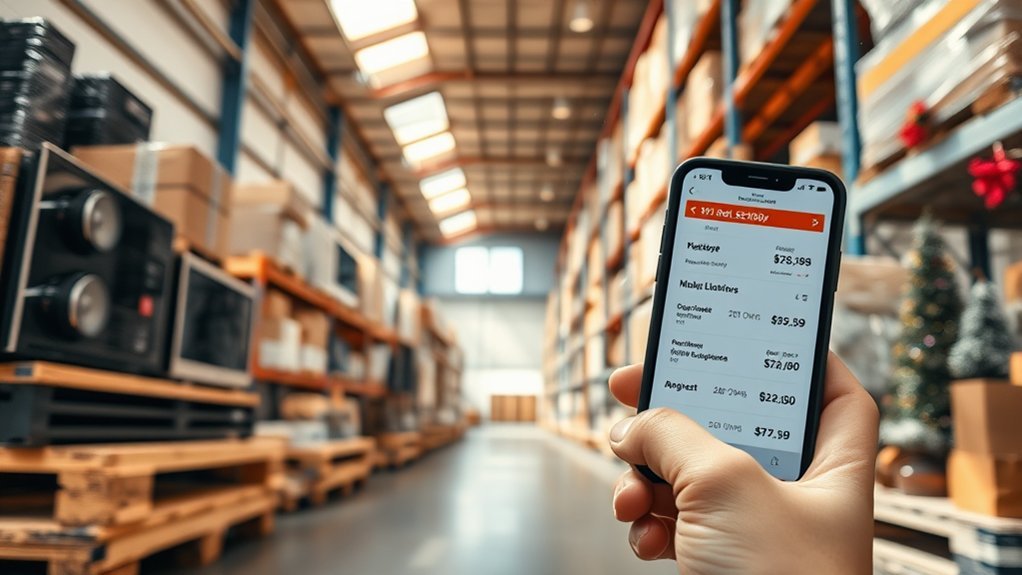
When you're diving into the world of pallets, how do you figure out what products are in demand? Start by exploring online marketplaces like eBay or Amazon. Look at best-selling items and read customer reviews to identify trends. Social media platforms can also be goldmines. Join groups focused on resale and see what members are buzzing about. You might even conduct surveys or reach out to local retailers for insights. Pay close attention to seasonal items, as they can spike in popularity. Finally, check out trade shows or local flea markets to gauge what catches people's eyes. By tapping into these resources, you'll empower yourself to choose pallets that can truly boost your profits.
Analyzing Pallet Condition and Quality
When you're evaluating pallets, start with a visual inspection. Look for cracks, splinters, or any signs of damage that could affect their use. Then, check the structural integrity by testing how sturdy they feel; strong pallets will hold up under pressure and support your products effectively.
Visual Inspection Guidelines
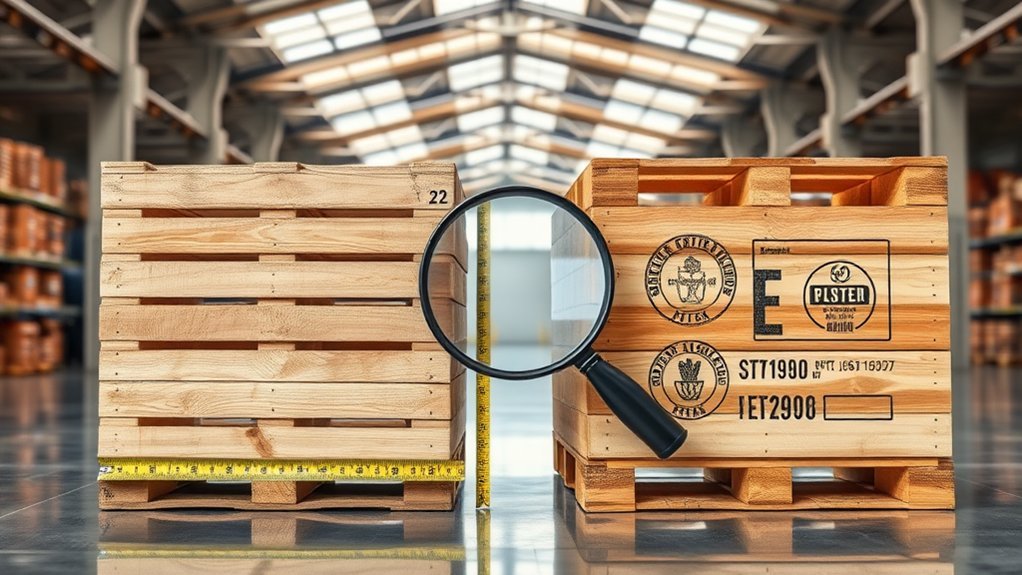
To guarantee you're picking the right pallets, start with a thorough visual inspection. Check for noticeable damage like cracks, splinters, or missing boards. If a pallet looks worn out or shows signs of rot, it's likely not worth your time. Examine the overall cleanliness; dirty pallets may indicate poor storage or previous contamination. Look for branding or certification marks, as these often signal quality standards. Also, pay attention to the color; faded wood can suggest exposure to the elements. Finally, verify all corners are intact and the base is stable. By following these guidelines, you're on your way to making empowered, profitable choices in your pallet selection.
Structural Integrity Assessment
Evaluating the structural integrity of pallets is essential for guaranteeing they can safely hold your loads. Start by checking for damage such as cracks, splits, or broken boards. It's also critical to assess the overall stability of the pallet. Use the table below to help you remember key assessment factors:
| Factor | What to Check |
|---|---|
| Cracks | Look for visible splits or fractures. |
| Board Condition | Check all boards for wear and tear. |
| Stability | Guarantee the pallet stands firm when loaded. |
| Fasteners | Inspect nail or screw integrity. |
Incorporating these steps into your decision-making process will empower you to choose pallets that are reliable, ultimately supporting your endeavors.
Evaluating Supplier Reputation and Reliability
How can you determine if a supplier is trustworthy and reliable? Start by researching their reputation. A solid supplier can be your key to success. Here are four steps to help you evaluate:
Evaluating a supplier's reputation is crucial for success; start with thorough research and assessment.
- Check Reviews: Look for customer feedback online. Reliable suppliers usually have positive testimonials.
- Ask for References: Reach out to other businesses that have worked with them. Their experiences can offer insights.
- Verify Certifications: Confirm the supplier meets industry standards. This can indicate quality and reliability.
- Assess Communication: A good supplier should respond promptly to inquiries. Consistent communication shows professionalism.
Comparing Pricing and Potential Profit Margins
When you plunge into comparing pricing and potential profit margins, understanding your costs is essential for making informed decisions. Start by determining your expenses, like buying price and overhead. Next, compare these against what you can sell items for. Here's a simple table to visualize your options:
| Item | Cost per Unit | Selling Price |
|---|---|---|
| Electronics | $50 | $100 |
| Furniture | $75 | $150 |
| Clothing | $10 | $25 |
| Home Goods | $20 | $60 |
Assessing Shipping Costs and Logistics
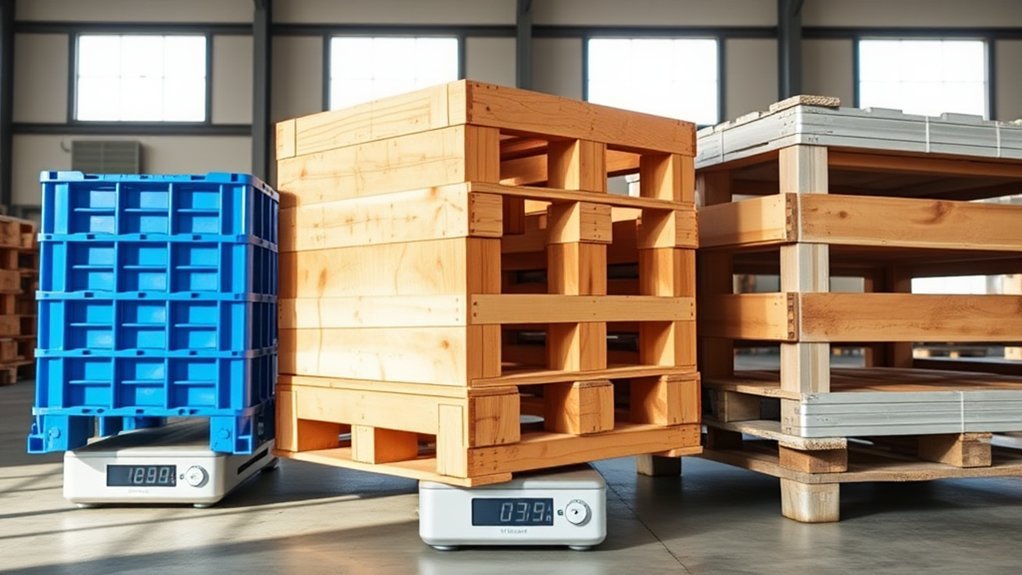
When you're choosing pallets, it's essential to assess shipping costs and logistics. Start by analyzing freight costs to guarantee your profit margins aren't eroded. Additionally, consider delivery times to keep your operations efficient and customers satisfied.
Freight Cost Analysis
Have you ever wondered how freight costs can impact your overall profit when dealing with pallets? Analyzing these costs is critical, as they can eat into your margins. Here are four essential tips for freight cost analysis:
- Compare carriers: Research various shipping companies and their rates to find the best deal.
- Understand weight limits: Know the weight limits for your pallets to avoid extra fees.
- Evaluate routes: Check different shipping routes; sometimes longer trips can be cheaper.
- Track hidden fees: Watch for extra charges like fuel surcharges or handling fees that could inflate costs.
Delivery Time Considerations
Freight costs are just one piece of the puzzle when it comes to logistics. While you're considering profitable pallets, don't overlook delivery times. Fast shipping can give you an advantage, but it often comes with higher costs. Evaluate your priorities: Is a quick turnaround worth the added expense? Think about your suppliers too. Are they reliable? If they can't meet your delivery timeline, you might face stock shortages that disrupt your business. Also, factor in the shipping method and route. Ground transportation might save you money but take longer. Conversely, air shipping is fast but pricey. Balancing these considerations is essential. Make informed choices that align with your budget and operational needs to maximize your profits.
Understanding Return Policies and Guarantees
How well do you understand return policies and guarantees before purchasing pallets? It's essential to grasp these aspects to protect your investment. Here's what you should focus on:
- Time Frame: Know how long you have to return items.
- Condition Requirements: Verify you're aware of the state the pallets must be in for returns.
- Restocking Fees: Look for any fees that might cut into your profits.
- Guarantees on Quality: Confirm if there's a promise that guarantees the quality of the pallets.
Understanding these elements can save you from unfortunate surprises later. Make informed decisions and empower yourself to reclaim funds when necessary. Always read the fine print before making that purchase; it's your liberation in the pallet-buying process.
Learning From Experienced Resellers and Reviews
What can you learn from those who've successfully bought and sold pallets? First, tap into their firsthand experience. They can share essential tips about what to look for in profitable pallets. Pay attention to reviews and feedback in online forums and platforms. This insight can guide you in choosing reliable suppliers and avoiding potential pitfalls.
Look for common themes in their stories. Did certain types of products consistently yield high returns? Did some suppliers fail to deliver quality? Knowledge from these resellers is invaluable. You'll not only save time but also have a clearer understanding of the market dynamics. Actively engaging with this community can enhance your skills and help you make informed decisions on your pallet journey.
Frequently Asked Questions
What Types of Products Are Commonly Found in Resale Pallets?
You'll commonly find a variety of products in resale pallets, including electronics, clothing, and home goods. Items like toys, tools, and appliances often make their way into these pallets as well. Each pallet can differ greatly, so it's smart to inspect them when possible. Focus on products with good resale value. Knowing the demand for certain items can help you choose pallets that will maximize your profit potential.
How Do Seasonal Trends Affect Pallet Profitability?
Seasonal trends can greatly impact pallet profitability. During peak seasons, demand for certain products increases, leading to higher resale values. For instance, holiday items often see a spike before holidays. Conversely, seasonal off-peak times can lower demand and profitability. By staying aware of these trends, you can time your purchases wisely. When you align your pallet selections with seasonal demand, you'll maximize your chances of making a profit on resale.
Can I Negotiate Pallet Prices With Suppliers?
Yes, you can negotiate pallet prices with suppliers. Start by researching market rates to understand what's fair. When you approach suppliers, be direct and confident. Share your volume needs; larger orders often lead to better deals. Don't hesitate to ask for discounts or better terms. Being clear about your expectations helps. If they see you're serious, they'll likely be open to negotiation to keep your business. It's a win-win approach.
What Are the Risks of Investing in Liquidation Pallets?
Investing in liquidation pallets carries several risks. You might end up with damaged or unsellable items, which can sink your profits. There's also the chance of getting incomplete or mixed inventory, making it hard to assess value. Vendors might not provide accurate descriptions, leading to unexpected surprises. It's important to research suppliers and their previous sales. Always calculate potential losses before investing, ensuring you understand what you're getting into. Make informed choices.
How Much Capital Do I Need to Start Reselling Pallets?
You'll want to start with at least $1,000 to $2,000 to resell pallets effectively. This amount covers purchasing initial pallets, shipping costs, and any necessary storage. Keep in mind that pricing varies depending on the type and condition of the pallets. Always research what sells well in your area and don't rush into buying large quantities. Start small, learn the market, and adjust your strategy as you go.
Conclusion
To choose profitable pallets, focus on key factors that matter. Research market demand for products, check pallet condition, and evaluate supplier reliability. Don't overlook pricing and potential profit margins, and always factor in shipping costs. It's also smart to understand return policies to protect your investment. Finally, learn from seasoned resellers to gain insights. By following these straightforward tips, you're better positioned to make smart choices that boost your profitability in the pallet market.

