
Made $500 While Sick: Flipping Success Tips
May 6, 2025
Inside a Flipper’s Storage Unit: Organization Secrets
May 7, 2025If you're looking to buy pallets, knowing how pricing works is essential. You'll want to focus on the product type and its condition since these factors can greatly impact value. Timing your purchase can also help you snag better deals during sales. Plus, don't shy away from negotiating—being flexible can uncover hidden savings. Let's break down key aspects that will guide you in making smarter buying decisions.
Key Takeaways
- Understand that new pallets typically cost more than used, influenced by product condition and demand.
- Research reputable suppliers by checking reviews and ratings for reliability before making a purchase.
- Timing your purchase can lead to better prices, especially during off-peak seasons or sales events.
- Negotiate prices for bulk purchases; being flexible with pallet types can lead to additional savings.
- Stay informed on market trends and values to empower your purchasing decisions effectively.
Understanding the Basics of Pallet Pricing
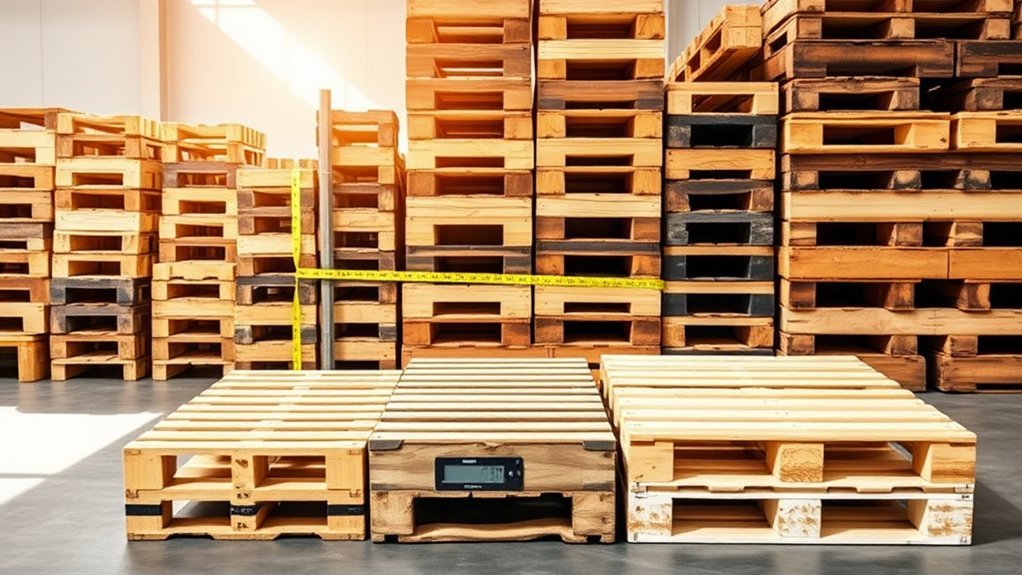
Understanding how pallet pricing works is essential for anyone involved in shipping or wholesale distribution. You should know that pallet pricing typically reflects the value of the goods as well as the costs associated with handling, storage, and transit. When you're looking at pallets, it's important to evaluate the condition and demand. New pallets generally cost more than used ones. You'll also want to assess the market trends, as they can impact your buying decisions considerably. Remember, staying informed is key; research different suppliers and compare their prices. This empowers you to make better choices, leading to successful transactions. In this fast-paced environment, knowledge gives you an edge, helping you secure profitable deals and stay ahead.
Factors Influencing Liquidation Pallet Prices
When you're looking at liquidation pallet prices, several key factors come into play. First, consider the type of products in the pallet. Retail value varies widely between items, so brand name or specialty goods usually command higher prices. Next, supply and demand can shift prices. If a certain product is in high demand, expect to pay more. Also, the condition of the items matters. New or gently used items are pricier than damaged goods. Finally, the seller's reputation impacts pricing. Established sellers often charge more for their reliability and quality assurance. By evaluating these factors, you can better understand what you're paying for and make informed buying decisions that support your financial goals.
Tips for Finding the Best Deals on Pallets
Finding great deals on liquidation pallets requires a strategic approach. First, research and identify reputable suppliers. Look for reviews and ratings to guarantee you're dealing with a trustworthy source. Second, sign up for newsletters or alerts from these suppliers. They often announce special deals or limited-time offers through these channels. Third, know the best times to buy. Liquidation pallets can be cheaper during off-peak seasons, so watch for cyclical sales patterns. Don't hesitate to negotiate prices, especially if you're buying in bulk. Finally, be open to various pallet types. Sometimes the best deals aren't in the categories you initially consider. Stay flexible, do your homework, and you'll unlock excellent savings while liberating your shopping experience.
Frequently Asked Questions
What Types of Products Are Typically Found in Liquidation Pallets?
When you explore liquidation pallets, you'll typically find a mix of consumer goods. Common items include electronics, household goods, clothing, and sometimes furniture. These products often come from overstocks, returns, or shelf pulls. You might also stumble across seasonal items and even toys. Always inspect the pallets before buying to guarantee you're getting value for your investment. Know what you're aiming for, so you can make the best choices for your needs.
Is There a Minimum Order Quantity for Purchasing Pallets?
Yes, many liquidation companies do have a minimum order quantity for purchasing pallets. This requirement often varies by seller. For smaller buyers, look for wholesalers that allow individual pallet purchases. Always check the specific terms before committing to a purchase. If you're uncertain, contacting the supplier directly can provide clarity. Buying in larger quantities usually opens up more options and discounts, so consider that if you're ready to invest.
How Do I Know if a Pallet Deal Is Legitimate?
To determine if a pallet deal is legitimate, research the seller thoroughly. Check their website for contact information and customer reviews. Compare prices with other sellers to spot any red flags. Ask questions about the pallets, like origin and condition, and see how responsive they are. Trust your instincts; if it seems too good to be true, it probably is. Always verify before making a purchase to protect your investment.
Can I Return Pallets if I'm Not Satisfied?
Yes, you can return pallets if you're not satisfied, but it depends on the seller's return policy. Before you buy, check the terms regarding returns. Most reputable sellers should allow returns within a specific timeframe. If you receive damaged or incorrect items, document the issue and contact the seller promptly. Keep all packaging and paperwork handy so you can facilitate the return process easily. Always clarify the policy upfront to avoid surprises later.
Are There Shipping Costs Associated With Buying Pallets?
Yes, there are shipping costs associated with buying pallets. When you order pallets, you usually pay for delivery, which can vary based on distance and the supplier. It's crucial to factor in these costs when budgeting for your pallets. Some suppliers might offer free shipping for larger orders, so always ask about that. To save money, compare shipping rates from different sellers to find the best deal.
Conclusion
To wrap it up, understanding pallet pricing is key to making smart purchases. Focus on product type and condition, and don't overlook timing your buys for seasonal sales. Keep an eye out for negotiation opportunities and be flexible about the pallets you consider. Doing a bit of research on market values can give you an edge in bargaining. With these tips, you're well on your way to finding great deals on pallets.


